Implementation Plan
National Science, Technology and Innovation Policy 2025 Implementation Plan
The companion implementation plan for Zambia's 2025 science, technology, and innovation policy.

Explore Zambian policies, government reports, implementation plans, research papers, and other governance documents in one searchable collection. Find resources to support your studies, inform policy discussions, and deepen your understanding of public institutions. Each document page includes a summary, publication details, and a PDF to open or download.

Find documents by title, description, document type, or year. Results update instantly as you type.
The companion implementation plan for Zambia's 2025 science, technology, and innovation policy.
The 2022-2026 implementation plan for Zambia's National ICT Policy 2023.
The 2022-2026 implementation plan accompanying Zambia's fisheries and aquaculture policy.
The July 2012 policy and strategy for rural finance in Zambia.
Zambia's revised 2020 national policy on intellectual property.
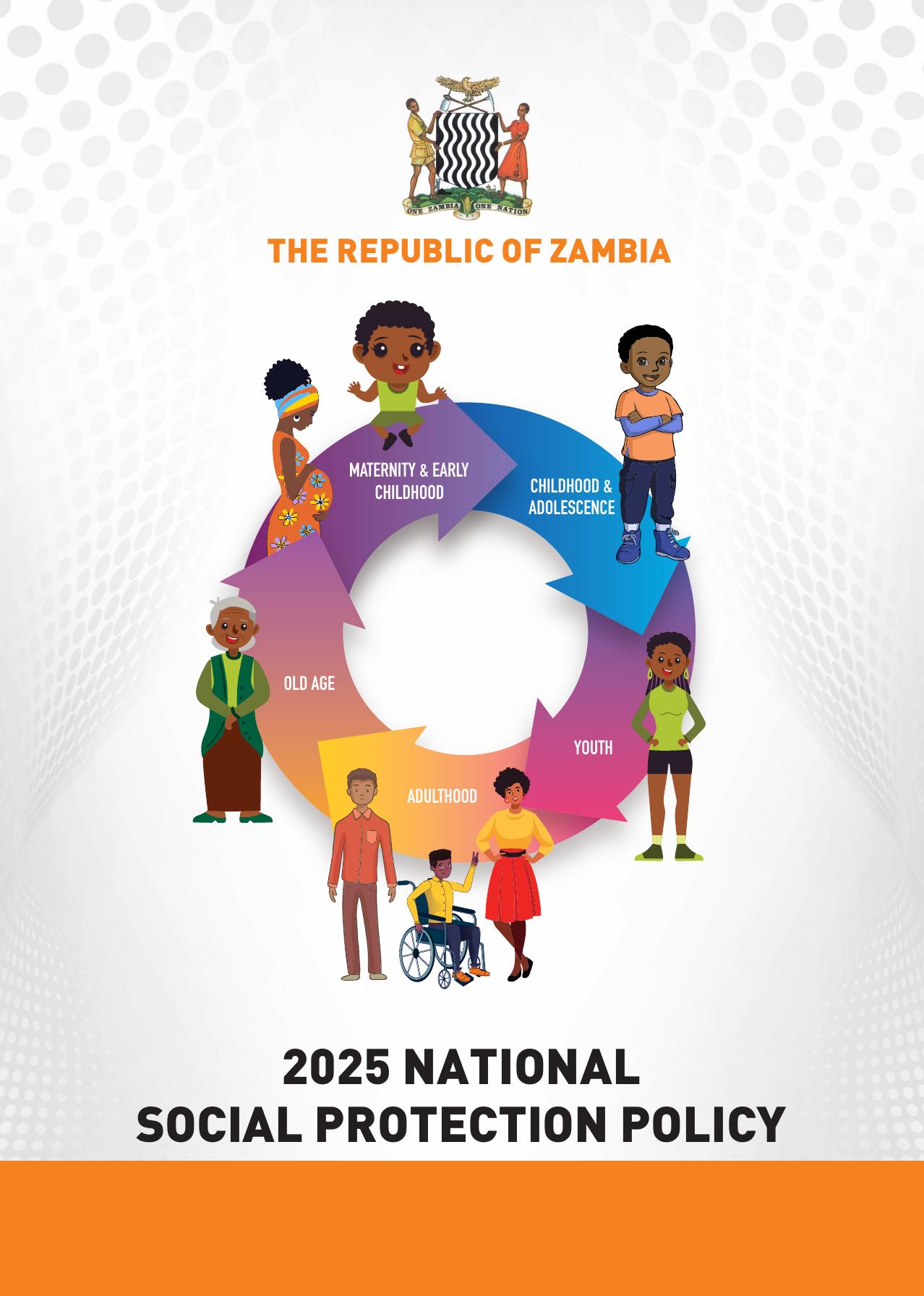
The 2025 national framework for social protection in Zambia.
Zambia's 2025 national policy for science, technology, and innovation.
Zambia's December 2020 national policy for improving productivity.
The 2025 national policy on the rights, inclusion, and participation of persons with disabilities.
Zambia's July 2022 main policy on human trafficking and the smuggling of migrants.
The October 2020 national policy for livestock sector development in Zambia.
Zambia's May 2021 national policy on land administration, management, and use.
The March 2023 national policy for fisheries and aquaculture development in Zambia.
A national policy framework for developing Zambia's financial sector.
A national framework for employment creation and labour market development in Zambia.
Zambia's March 2021 policy on cybersecurity, digital skills, and the legal and institutional framework.
A national policy for preventing and reducing alcohol-related harm in Zambia.
The Ministry of Technology and Science's December 2023 workplace policy on whistle blower protection.
The Ministry of Technology and Science's December 2023 workplace policy on gifts and benefits.
The Ministry of Technology and Science's December 2023 workplace policy on conflicts of interest.
Ministry of Labour and Social Security rules for declaring, keeping, and disposing of gifts and benefits.
The historical 2008 policy for developing micro, small and medium enterprises in Zambia.
A national framework for media development, professional capacity, regulation, and access to diverse information.
Zambia's framework for coordinated government communication, public access to information, and citizen feedback.
A policy for accelerating youth participation and empowerment in Zambia.
A national policy for water resources, water supply, sanitation, and national water security.
An IMF diagnostic report on governance and corruption issues in Zambia.
Zambia's long-term vision to become a prosperous middle-income nation by 2030.
The revised Sixth National Development Plan focused on people-centred economic growth and development.
Zambia's Eighth National Development Plan for socio-economic transformation and improved livelihoods.
Zambia's Seventh National Development Plan for accelerating development toward Vision 2030.
Zambia's Sixth National Development Plan for sustained economic growth and poverty reduction.
Zambia's Fifth National Development Plan focused on broad-based wealth and job creation.
Zambia's 2023 voluntary national review on progress toward the 2030 Agenda and Sustainable Development Goals.
A revised policy for cooperative development and enterprise participation in Zambia.
A public sector pay policy for salary, emolument, and performance management reforms.
A public sector policy for transparent and accountable management of government assets.
A national population policy for aligning demographic trends with sustainable human development.
A national policy framework for coordinated climate change mitigation and adaptation.
A policy for responsive, transparent, accountable, and results-oriented planning and budgeting processes.
A national policy for parks, wildlife conservation, and sustainable wildlife management.
A national policy framework for meteorological services and climate information in Zambia.
A Ministry of Health policy for biomedical laboratory systems and services in Zambia.
A national policy framework for housing delivery and settlement development.
A national health policy for equitable, affordable, and people-centred health services.
A national strategy for Zambia's transition to a low-carbon, resource-efficient, resilient, and inclusive economy.
A national policy for forestry management, conservation, and sustainable forest-based development.
Zambia's policy framework for energy supply, efficiency, investment, and sector governance.
A revised education policy aligned to 21st-century skills, inclusion, and national development priorities.
A national policy for disaster risk management and resilience in Zambia.
A national policy draft focused on empowerment and inclusion of persons with disabilities.
The 2023 national decentralisation policy focused on local development through citizen participation.
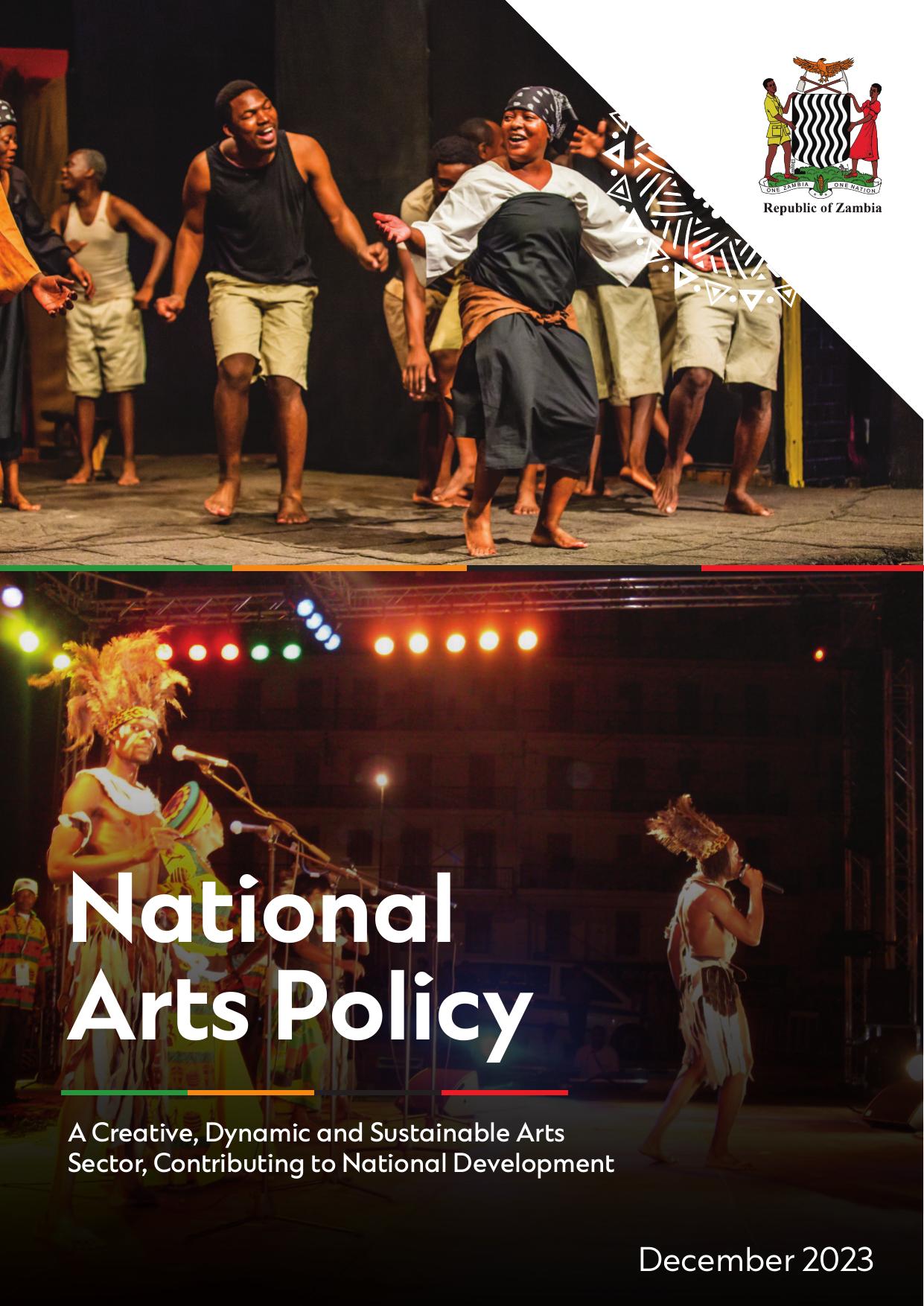
A policy framework for a creative, dynamic, and sustainable arts sector in Zambia.
A September 2023 version of Zambia's national policy framework for anti-corruption reform.
A national plan for public sector digital transformation and electronic government services.
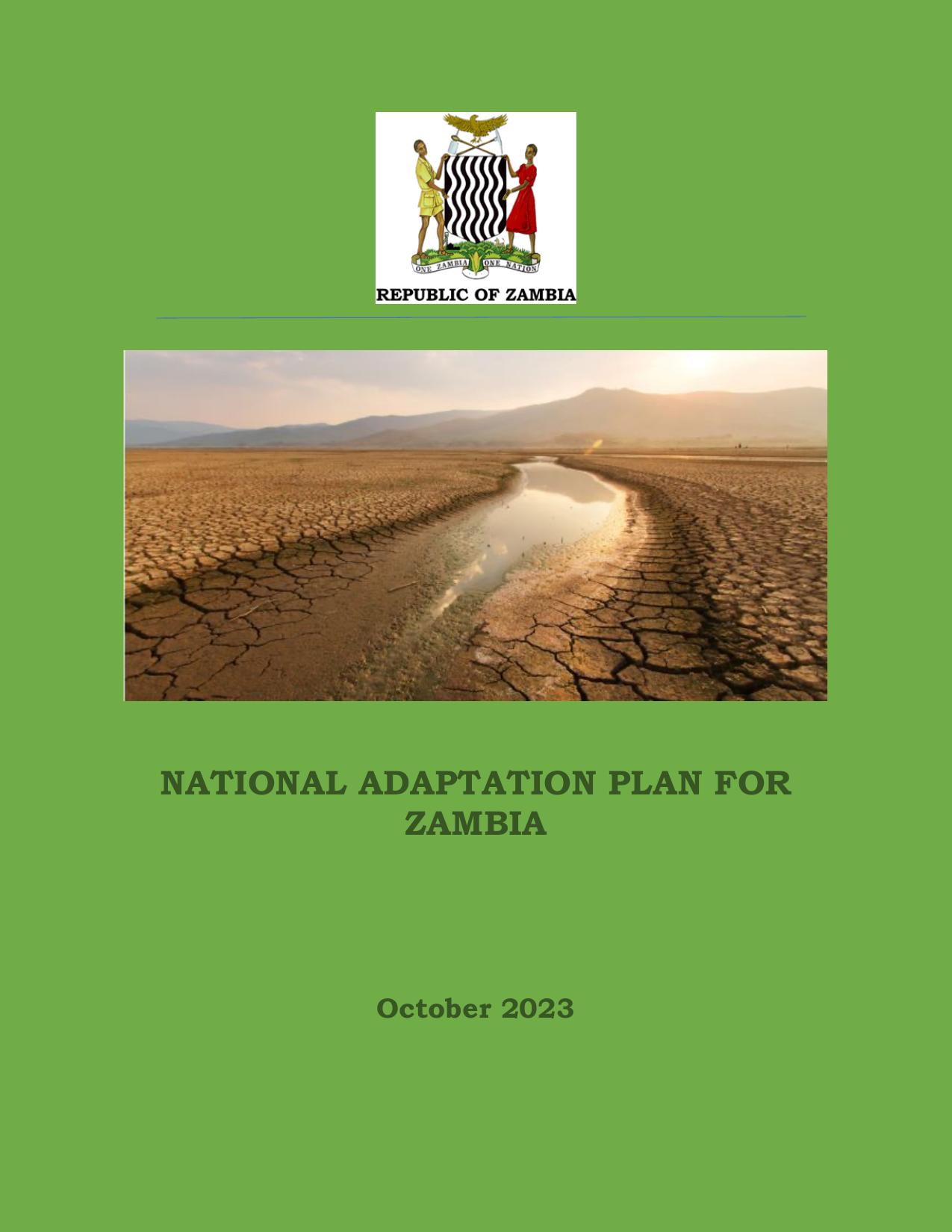
Zambia's medium- to long-term adaptation plan for climate resilience and reduced vulnerability.
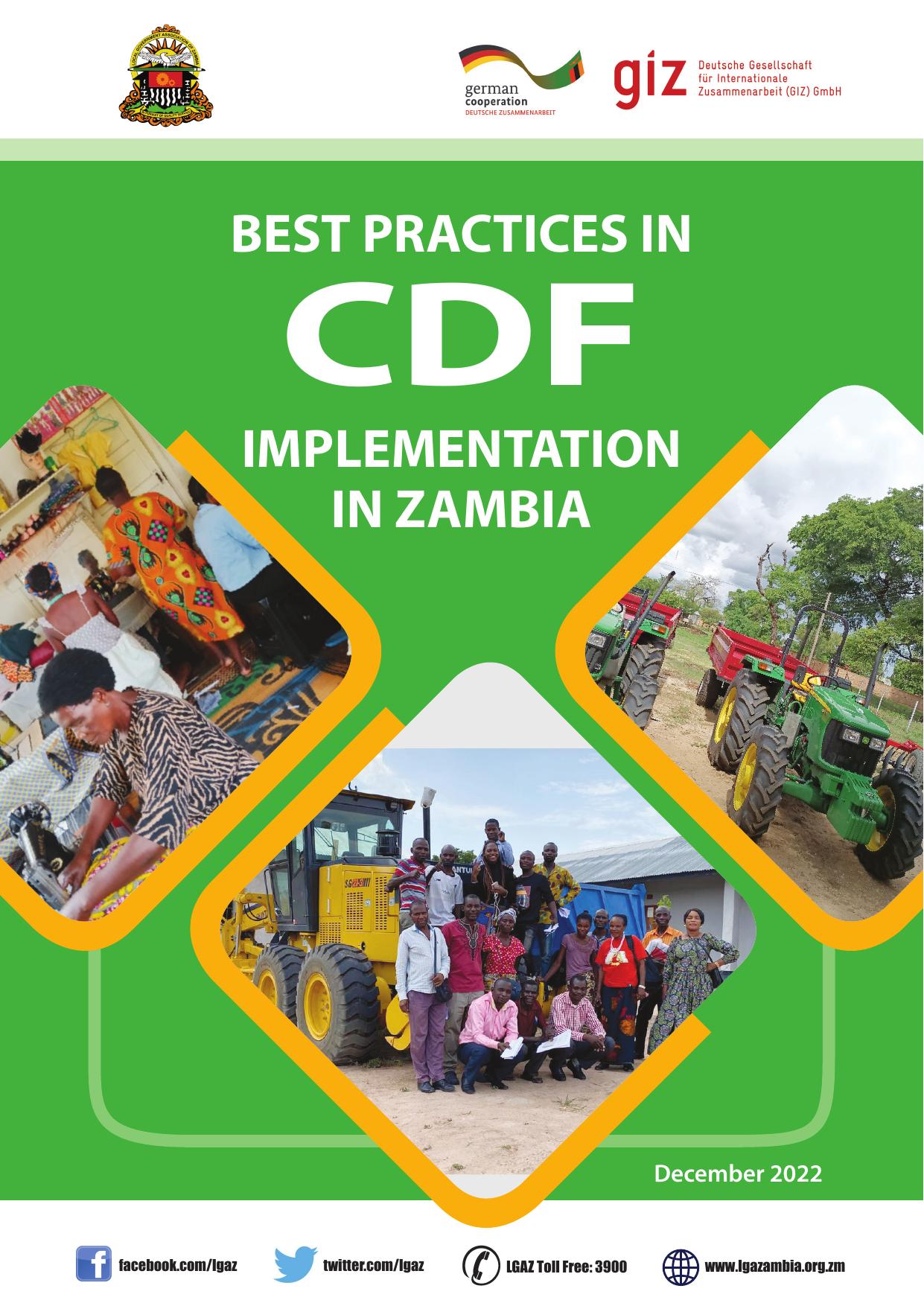
A Local Government Association of Zambia publication on Constituency Development Fund implementation practices.
A Cabinet Office restructuring report covering town councils and local government administration.
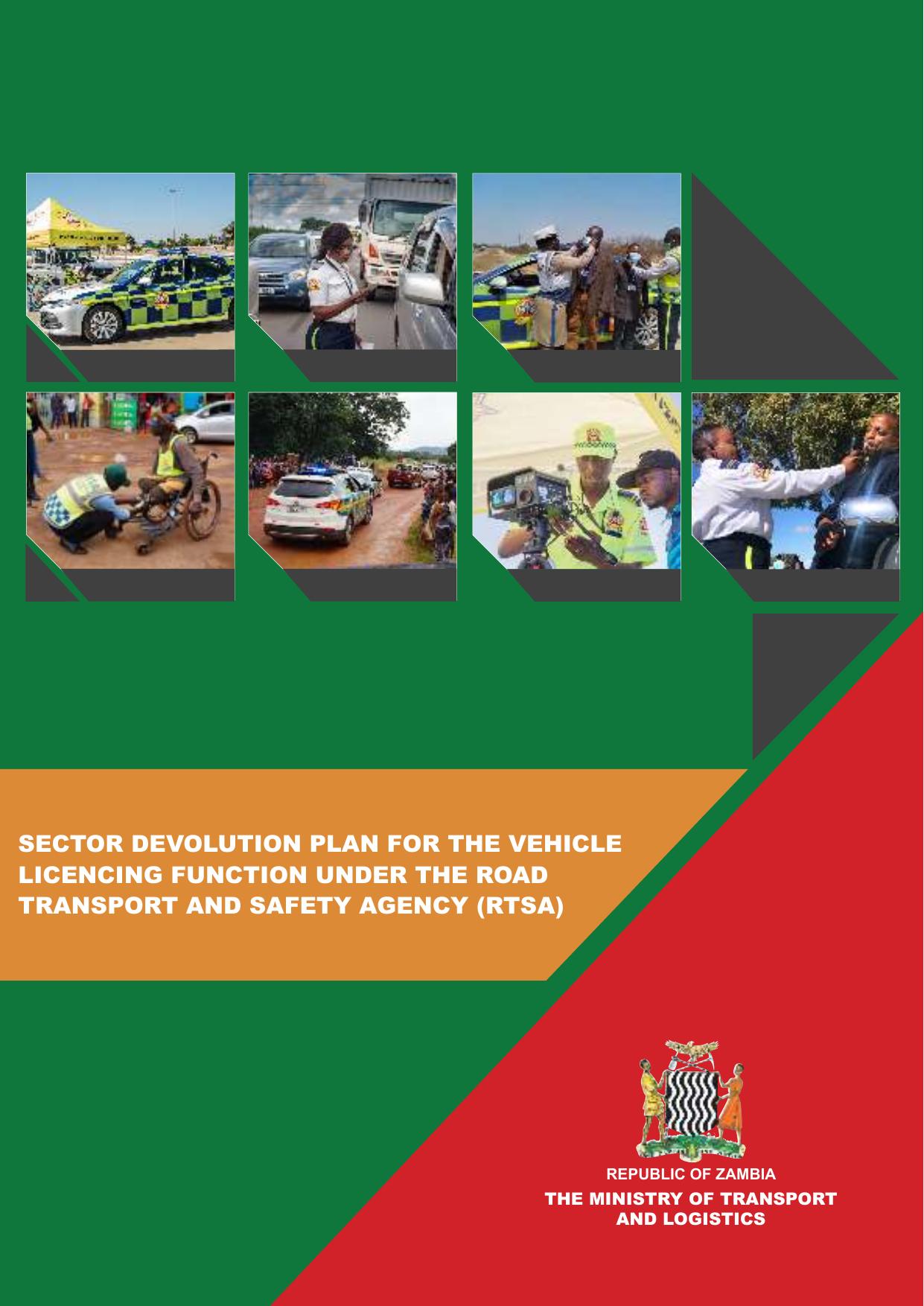
A sector devolution plan for transferring the vehicle licencing function under RTSA to local authorities.
Zambia’s National Tourism Policy sets a strategic framework to develop a competitive and sustainable tourism sector. It outlines the vision, objectives, measures, and implementation arrangements to drive job creation, investment, and conservation.
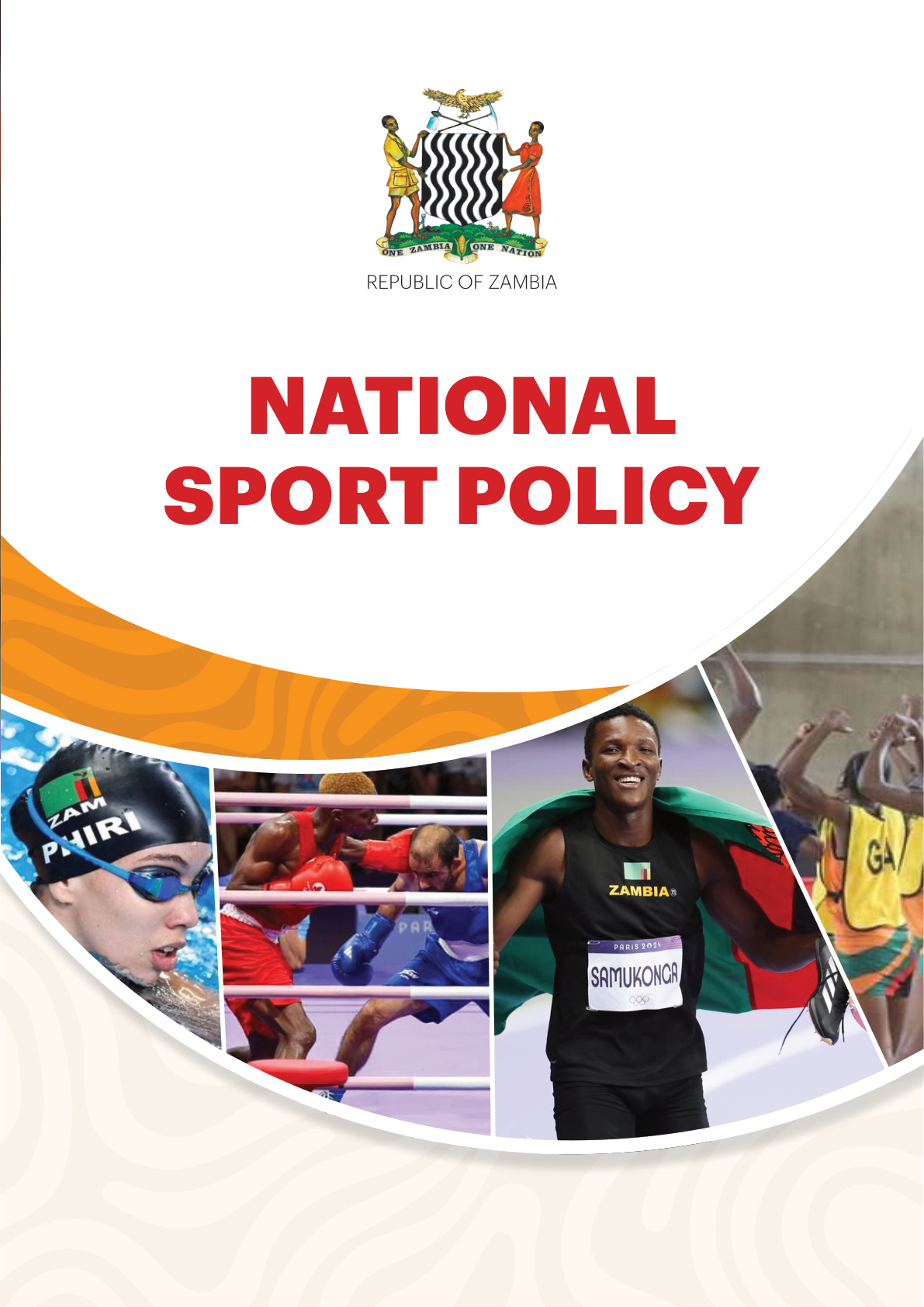
Zambia’s revised National Sport Policy outlines the vision, objectives, and implementation framework to grow sport nationwide, increase mass participation, strengthen integrity and safeguarding, and improve high-performance outcomes. It assigns roles to ministries and stakeholders and aligns with AU, UNESCO and SADC charters.
An LLM dissertation analyzing the effectiveness of Zambia’s corporate governance regulation and enforcement, comparing international models and proposing reforms such as Companies Act revision, integrated reporting, stakeholder inclusivity, and responsible investing.
Peer‑reviewed study assessing corporate governance in Zambia’s state-owned enterprises and proposing two governance models tailored to mixed and full state ownership.
Journal article documenting a fit-for-purpose approach to securing customary land rights in Zambia’s Chamuka Chiefdom through participatory mapping and issuance of customary land certificates with a strong gender focus.
Zambia’s Ministry of Finance and National Planning sets a revised governance and oversight framework for State‑Owned Enterprises to improve performance, transparency, and fiscal sustainability.
National report submitted on 25 November 2025 presenting public consultation findings and proposed amendments to the Constitution of Zambia, with an annexed Constitution of Zambia (Amendment) Bill, 2025.
Zambia’s 2025 National Policy on Environment sets the country’s framework for sustainable management of natural resources and environmental governance. It outlines priorities on circular economy, climate change adaptation and mitigation, biodiversity conservation, pollution control, and inclusive participation.
Government of Zambia’s 2018 policy setting out a comprehensive framework to expand and coordinate legal aid services, strengthen the Legal Aid Board’s mandate, regulate paralegals, and improve access to justice for poor and vulnerable people.
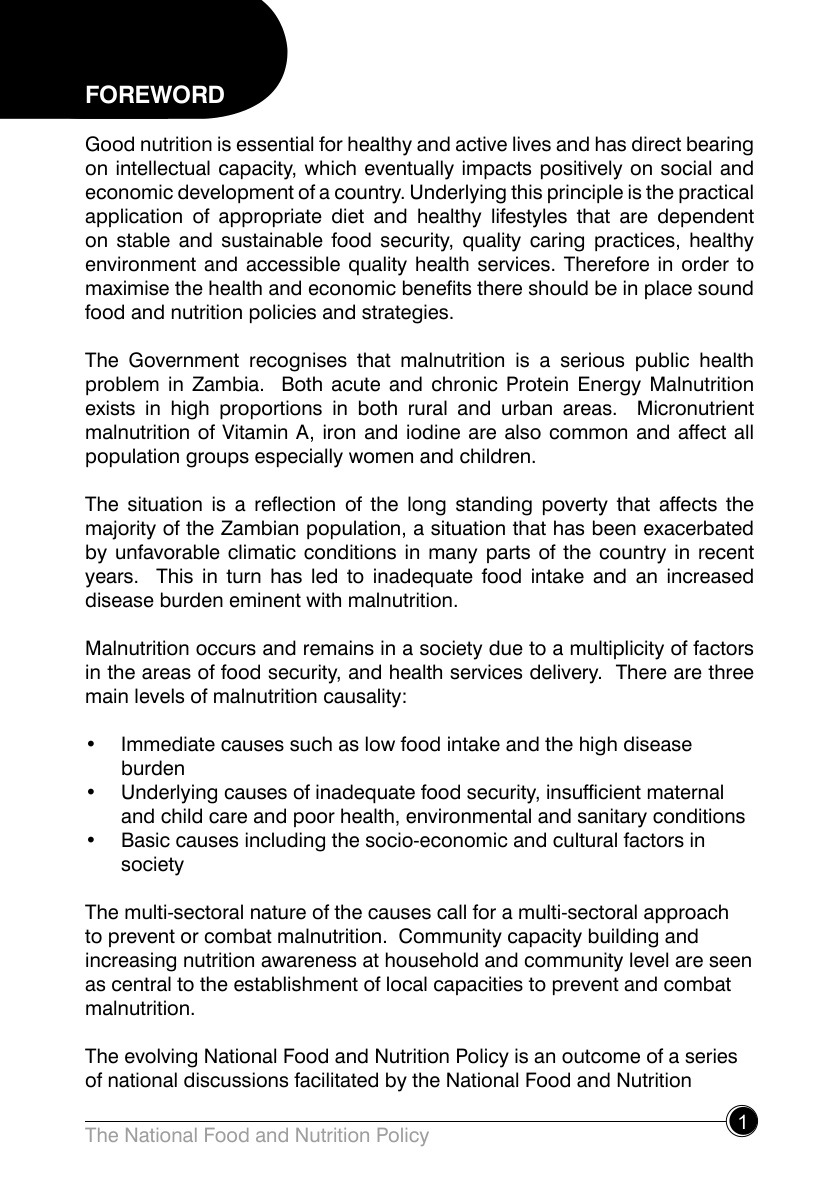
Zambia’s National Food and Nutrition Policy sets out a multi-sector framework to improve nutrition, eliminate malnutrition, and ensure food security, quality, and safety. It outlines policy measures across health, agriculture, social protection, gender, HIV, research, and institutional coordination.
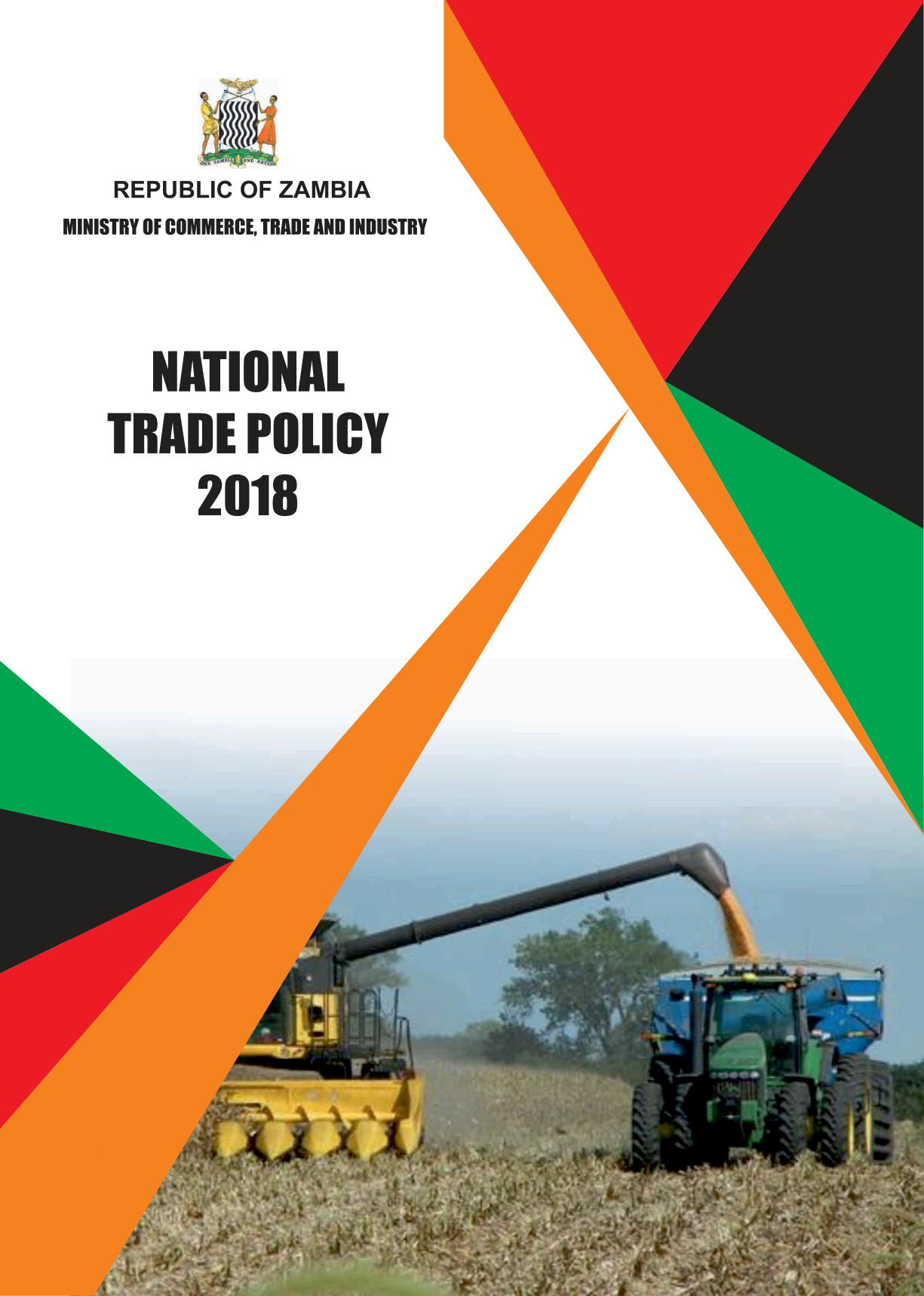
Zambia’s National Trade Policy sets the country’s vision to become a net exporter of value-added goods and services. It outlines objectives, strategies, and measures across tariffs, non-tariff measures, services, facilitation, and export promotion, with an annexed implementation plan for 2018–2028.
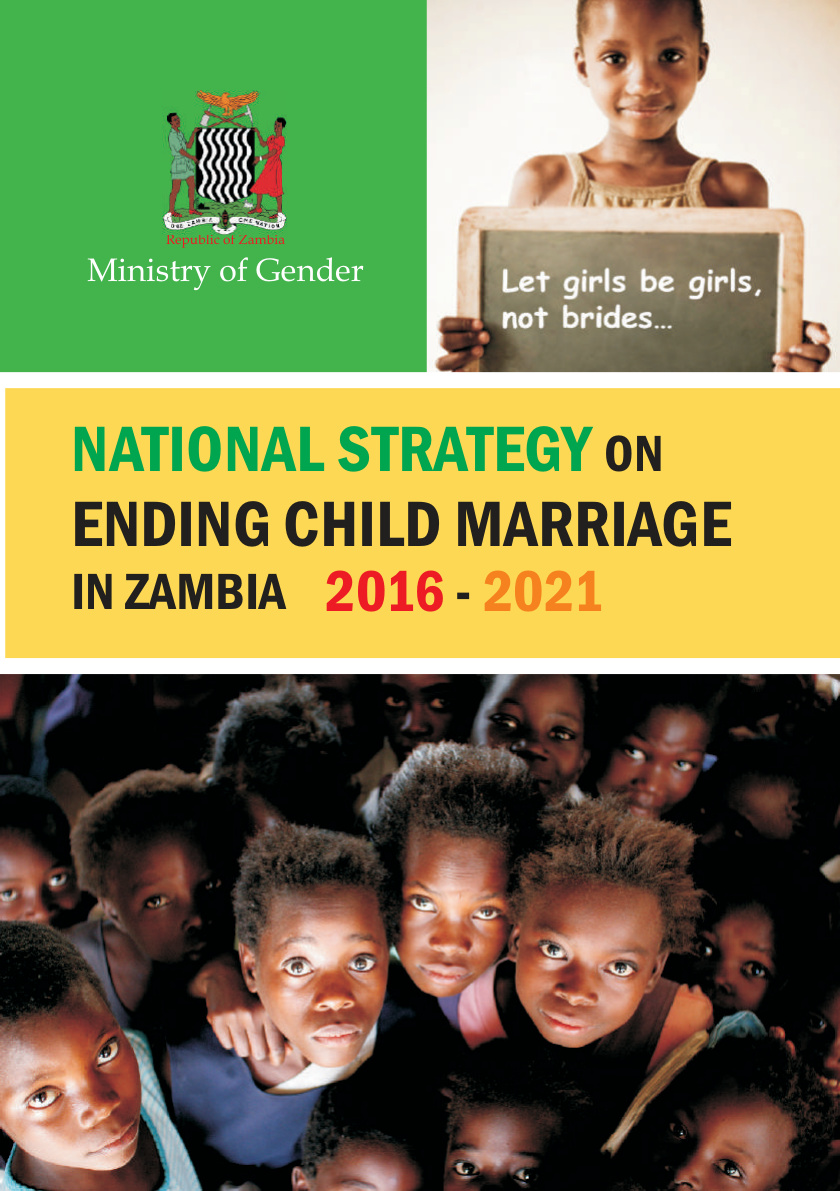
Government strategy setting the framework to end child marriage in Zambia for 2016–2021. It defines coordination structures, objectives, legal reforms, behaviour change, and service delivery measures with a goal of a 40% reduction by 2021.
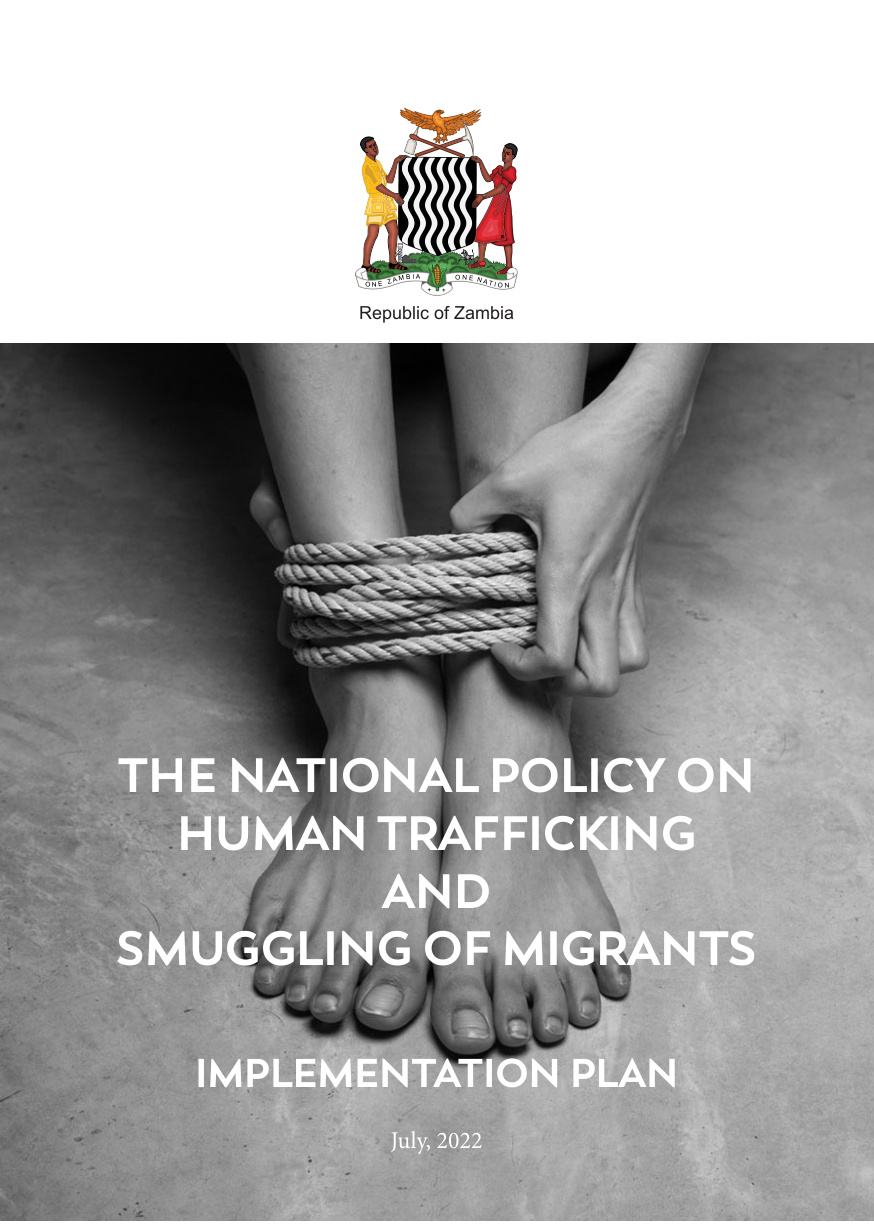
A Government of Zambia implementation plan outlining actions to prevent trafficking and migrant smuggling, protect victims, prosecute offenders, and strengthen partnerships. It details activities, timelines, responsible institutions, and an estimated five-year budget.
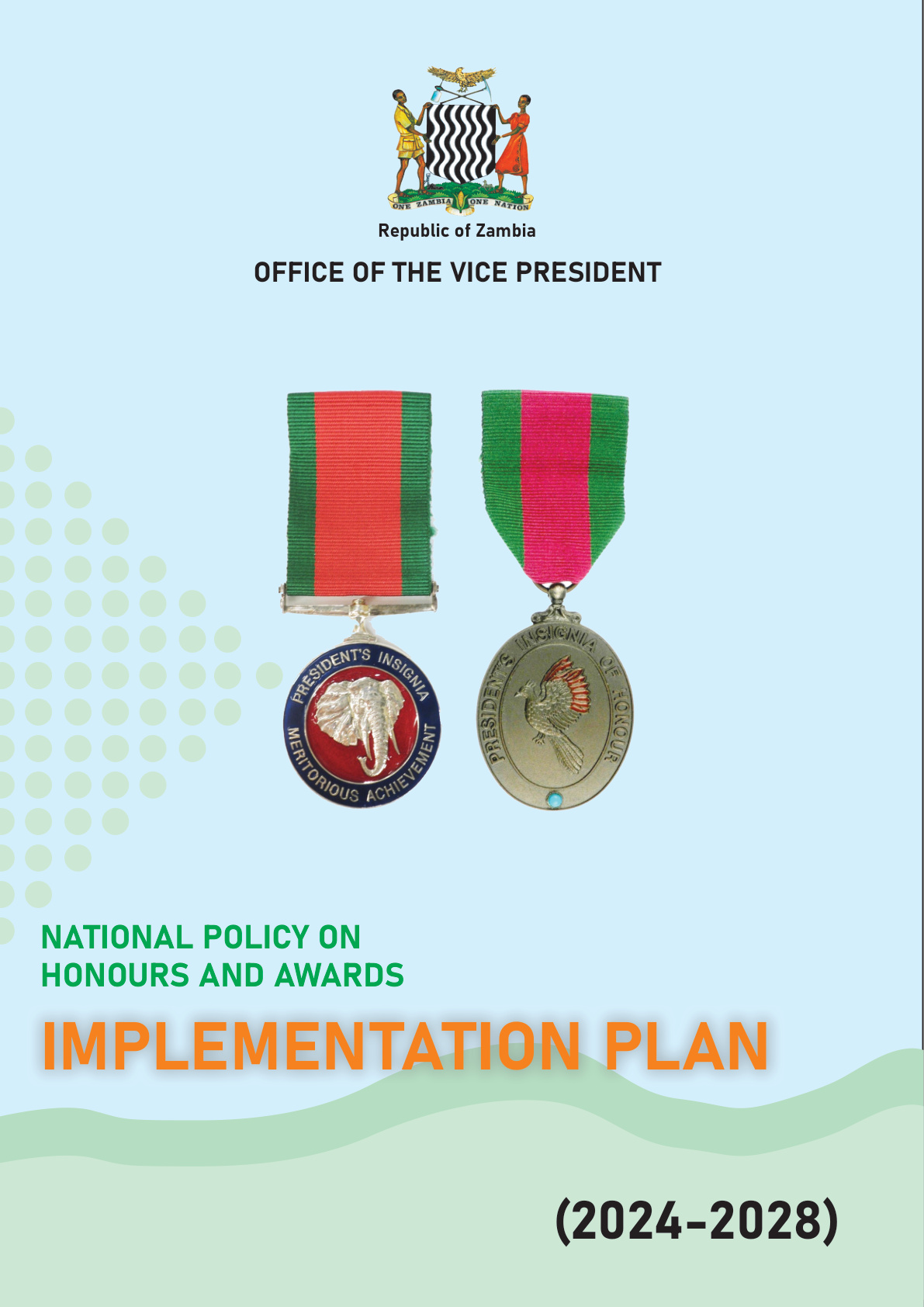
Implementation roadmap by the Office of the Vice President to administer Zambia’s National Honours and Awards system from 2024 to 2028. It outlines objectives, activities, timelines, stakeholders and budget requirements to strengthen management, awareness, coordination, and M&E of honours and awards.
A Government of Zambia policy establishing a results-oriented, evidence-based, government-wide monitoring and evaluation system, including standards, roles, and an implementation framework. Published by the Ministry of National Development Planning in February 2019.
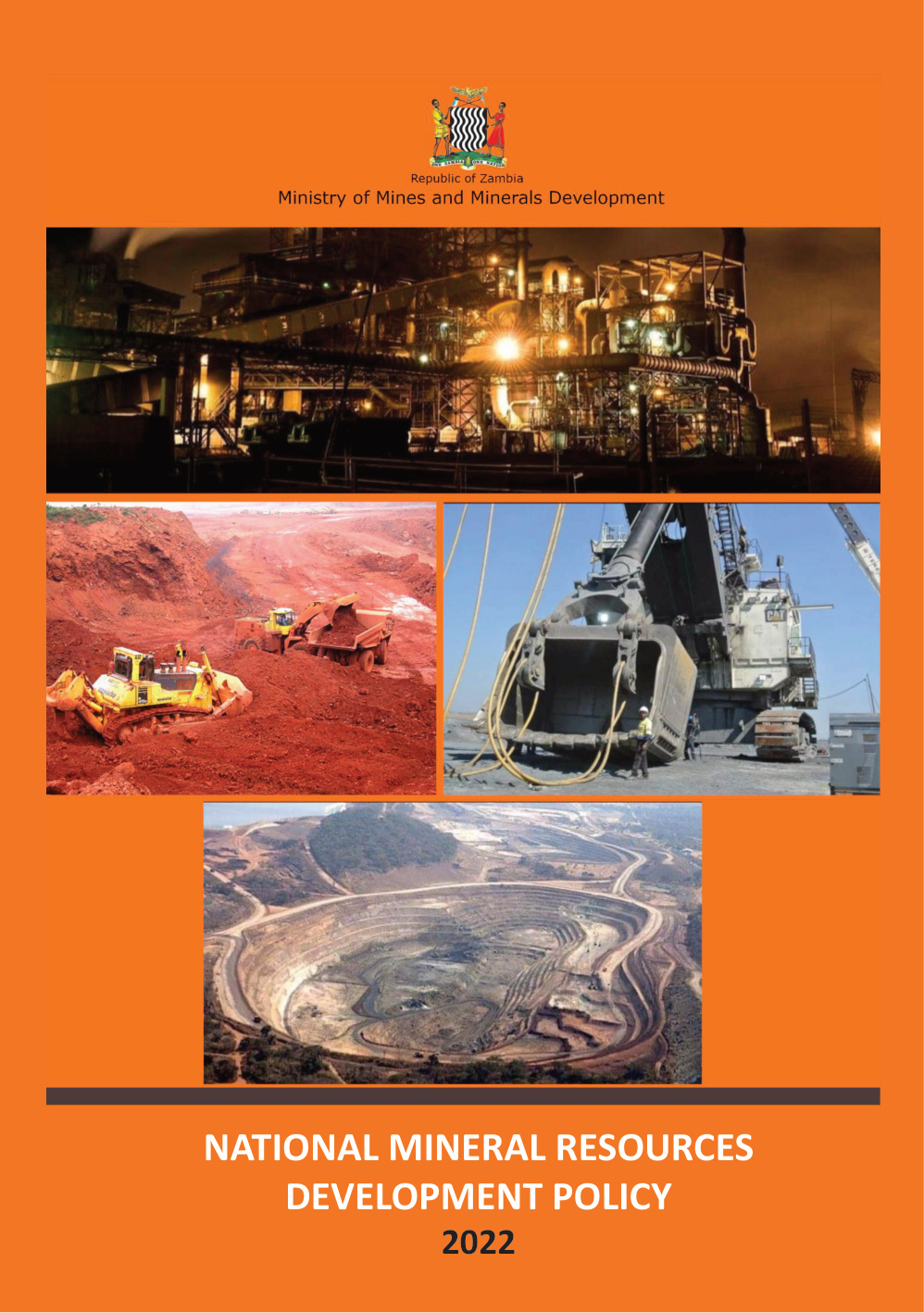
Zambia’s 2022 National Mineral Resources Development Policy sets the vision and measures to scale up exploration and production, strengthen licensing and compliance, and promote value addition and local participation across the mineral value chain.
Government of Zambia’s five-year implementation plan for the National Migration Policy, outlining objectives, activities, indicators, budgets, and responsible institutions. Published July 2022.
Zambia’s National Migration Policy (July 2022) outlines a coordinated framework to manage migration for national security and socio-economic development. It sets objectives, measures, and institutional roles across labour migration, border governance, diaspora engagement, health, data, and more.
Government of Zambia’s strategy, led by the Ministry of Commerce, Trade and Industry, to institutionalise local content across the economy and strengthen linkages between foreign and local enterprises.
A national policy setting the strategic direction for coordinated development, maintenance, and quality assurance of Zambia’s social and economic infrastructure. Published June 2023 by the Ministry of Infrastructure, Housing and Urban Development.
Zambia’s National Industrial Policy (March 2018) sets out the government’s framework to drive industrialization, value addition, and diversification with a focus on MSMEs and priority manufacturing sub-sectors. It outlines objectives, strategies, and an implementation framework aligned to Vision 2030.
Zambia’s revised National Information and Communication Technology Policy sets the vision for an integrated ICT ecosystem to drive the country’s digital economy. It outlines sector priorities, objectives, and an implementation framework across infrastructure, skills, cybersecurity, innovation, e-services, and governance.

Zambia’s 2003 National Cultural Policy sets out the vision, objectives, and strategies to mainstream culture in national development, safeguard cultural heritage, and promote artistic creation and participation.

The Ministry of Transport and Logistics outlines Zambia’s five-year Aviation Strategy to build a safe, secure, competitive and efficient aviation sector. It sets objectives, initiatives and an implementation framework to position Zambia as a regional aviation hub.
Zambia’s 2009 National Anti-Corruption Policy sets a coordinated legal, institutional, and social framework to prevent and combat corruption across public and private sectors. It outlines objectives, measures, and an implementation and monitoring framework over a five-year period.
Zambia’s 2014 National Social Protection Policy sets out a comprehensive framework to reduce poverty, inequality, and vulnerability. It defines four policy pillars—Social Assistance, Social Security/Social Health Insurance, Livelihood and Empowerment, and Protection—and outlines objectives, measures, and an implementation plan.
Zambia’s Ministry of Home Affairs and Internal Security outlines a five-year implementation plan (November 2023) to strengthen protection, services, livelihoods, inclusion, and durable solutions for refugees and other persons of concern. The plan details activities, indicators, targets, budgets, and responsible institutions.
Zambia’s first National Refugee Policy outlines the Government’s approach to protect and assist asylum seekers, refugees, and former refugees, and to integrate them into national systems. It sets objectives and measures on protection, services, livelihoods, co-existence, durable solutions, and coordination.
Zambia’s National Health Policy (Final Draft, December 2011) sets the vision of “A Nation of Healthy and Productive People,” outlining priorities to deliver equitable, quality health services as close to the family as possible.
Zambia’s 2012 National Health Policy sets the overarching direction for the health sector, anchored in Vision 2030, to ensure equitable access to quality, cost‑effective health services as close to the family as possible.
Zambia’s 2023 National Gender Policy outlines objectives, measures, and an implementation framework to accelerate gender equity and equality across social, economic, and governance sectors.
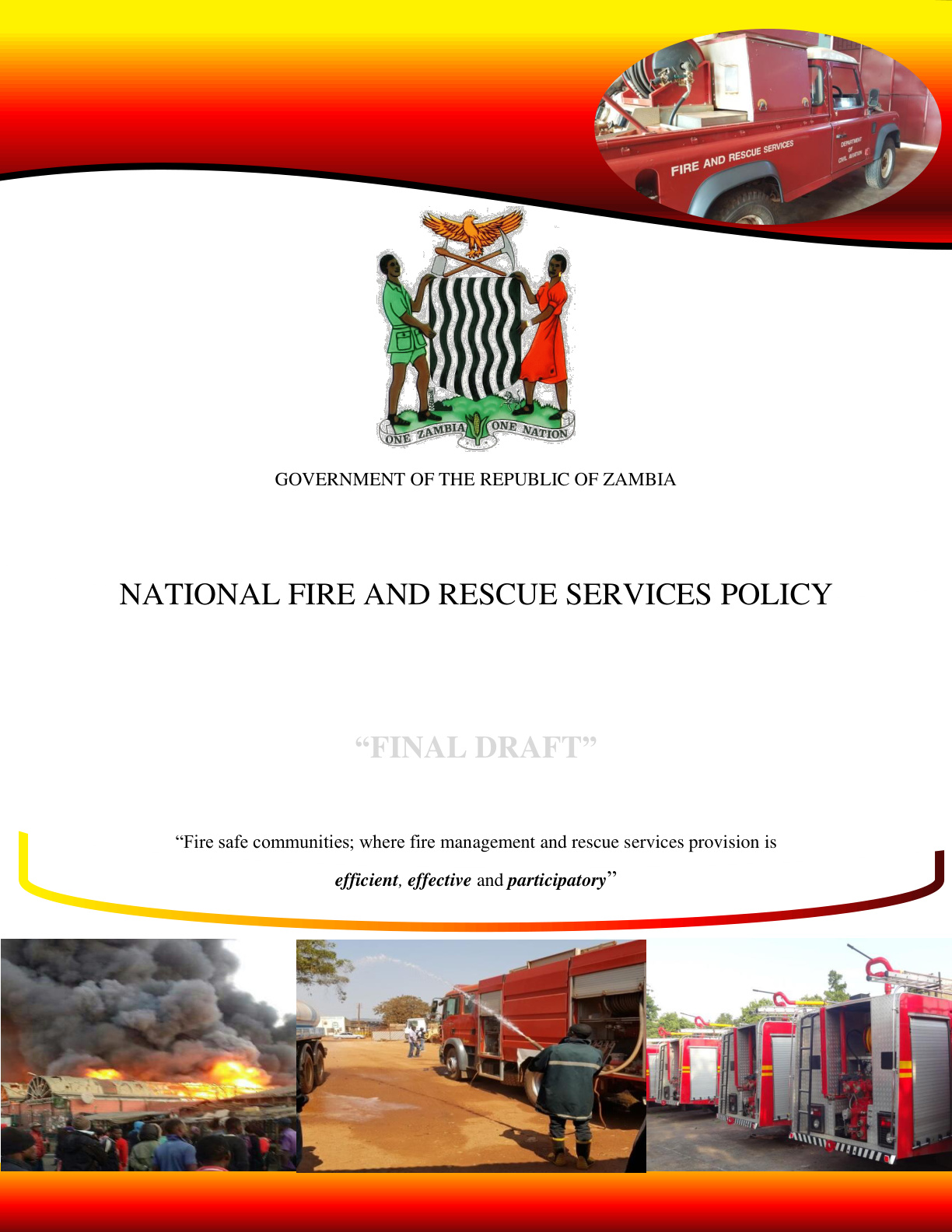
Zambia’s draft national policy sets out a coordinated, prevention-focused framework for fire and rescue services, led by local authorities and guided by a new legal and institutional architecture. It outlines measures for preparedness, rural and forest fire management, financing, and monitoring.
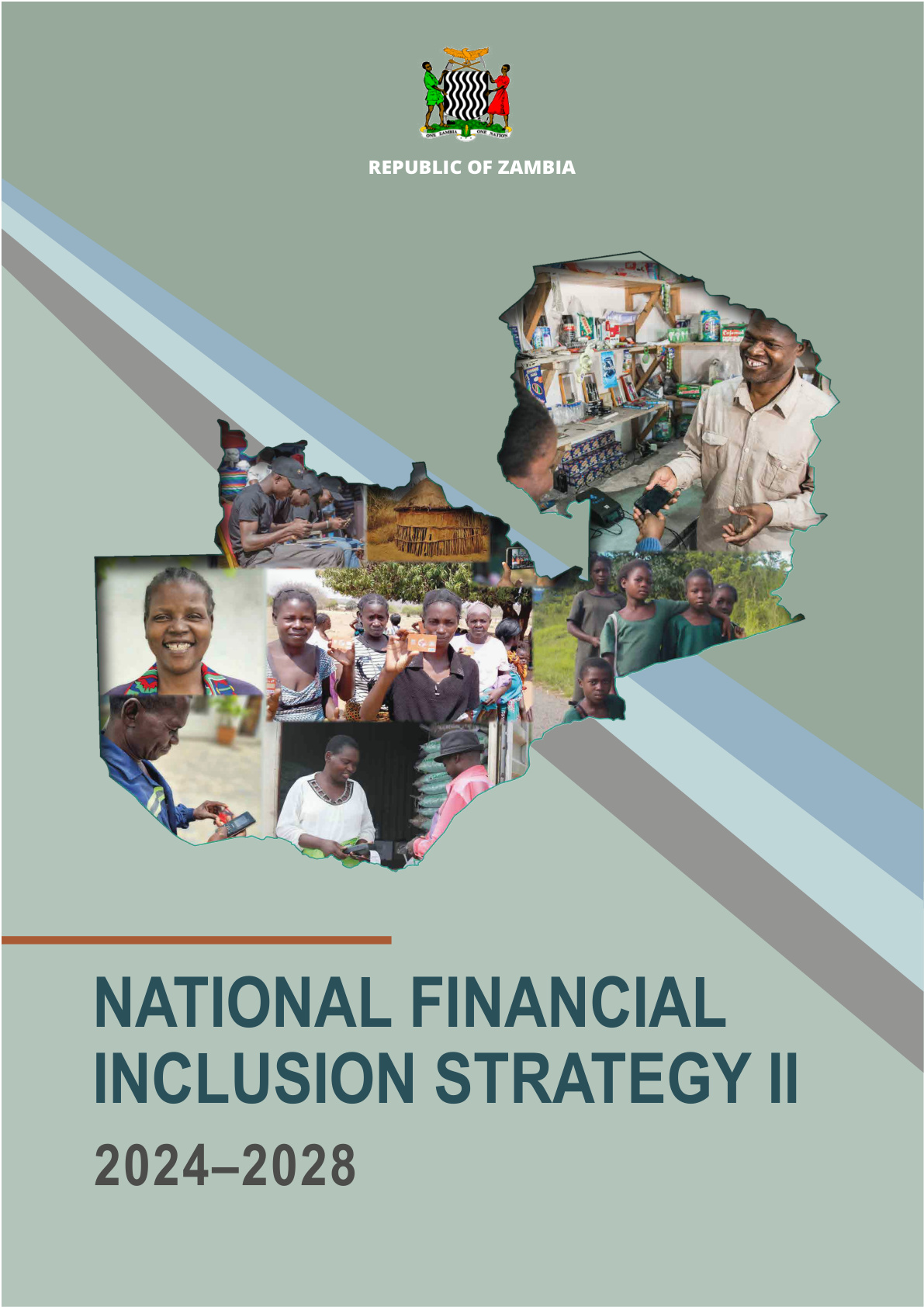
Zambia’s second National Financial Inclusion Strategy outlines a five‑year plan to achieve 85% overall and 80% formal financial inclusion by 2028. It sets out six thematic priorities and two cross‑cutting areas, with a detailed action plan, governance, and results framework.
Zambia’s National Disaster Management Policy sets out a proactive, community-based, multi-sectoral framework to reduce disaster risk and strengthen preparedness, response, mitigation, and recovery. Issued by the Office of the Vice President through the Disaster Management and Mitigation Unit in August 2005.
Zambia’s Second National Agricultural Policy (SNAP) provides policy guidance for the agriculture sector following the 2004–2015 NAP. Issued in February 2016 by the Ministries of Agriculture and of Fisheries and Livestock, it sets objectives, measures, and an implementation framework aligned to Vision 2030.
Zambia’s 2023 National Policy on Anti-Corruption sets a national framework to achieve zero tolerance to corruption through prevention, institutional strengthening, transparency, and legal reforms. It includes an implementation plan for 2024–2028.
An editorial introduction reviewing Zambia’s postcolonial historiography, critiquing UNIP-centered nationalist narratives, and highlighting emerging research agendas. It also previews articles in the special issue on climate change perceptions, the Barotseland Agreement, and contemporary understandings of witchcraft.
Academic article assessing Zambia’s progress on MDG 3 for women’s political participation in urban governance, using Nancy Fraser’s redistribution–recognition–participatory parity framework. It identifies structural, historical, and urban-specific barriers and argues for gender quotas in local bodies.
Revised national policy issued by Zambia’s Ministry of Gender and Child Development to advance gender equity and equality across sectors. It sets priorities, measures, and coordination mechanisms to mainstream gender in development.
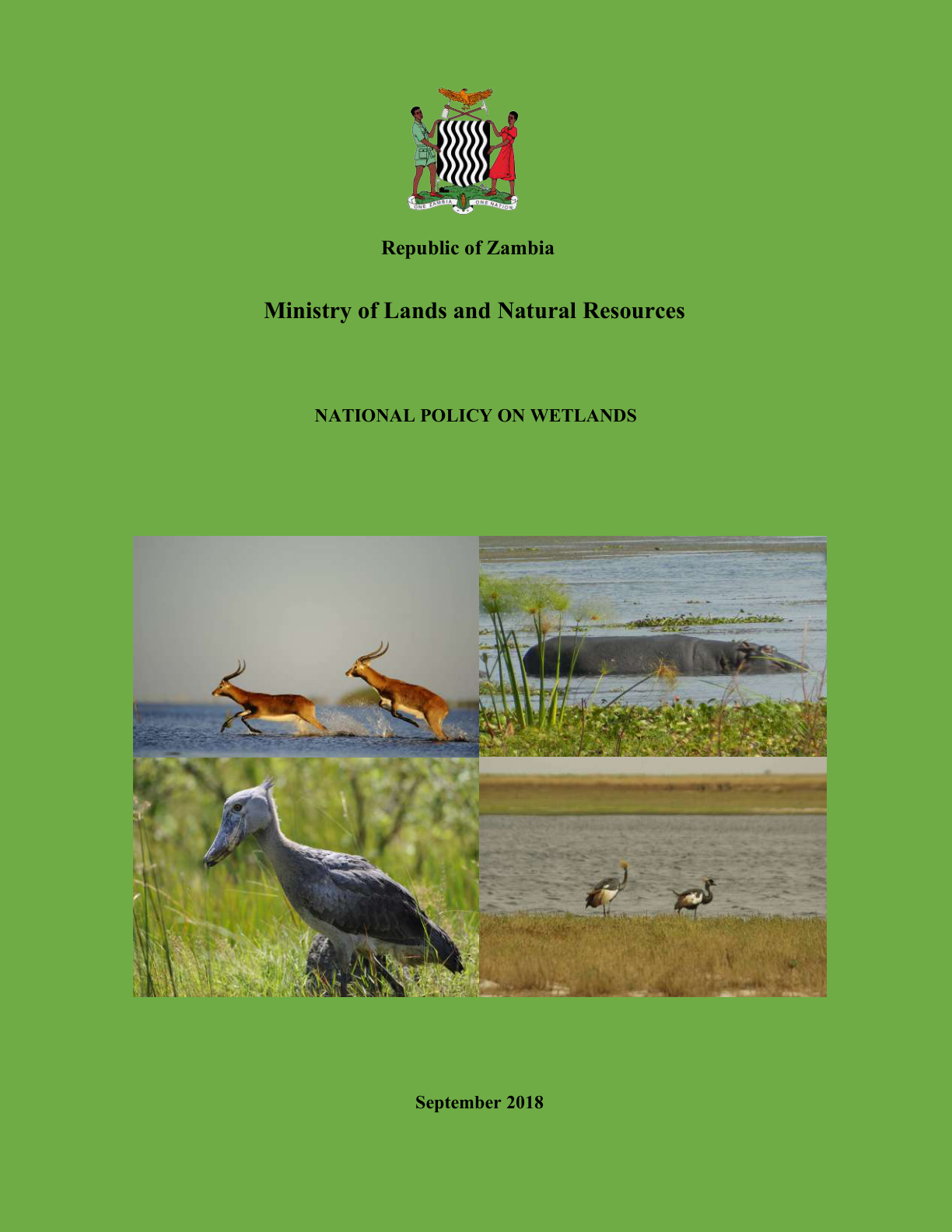
Zambia’s 2018 National Policy on Wetlands sets out the vision, objectives, and measures to conserve and ensure the wise use of wetlands. It outlines threats, guiding principles, institutional roles, legal framework, financing, and monitoring arrangements.
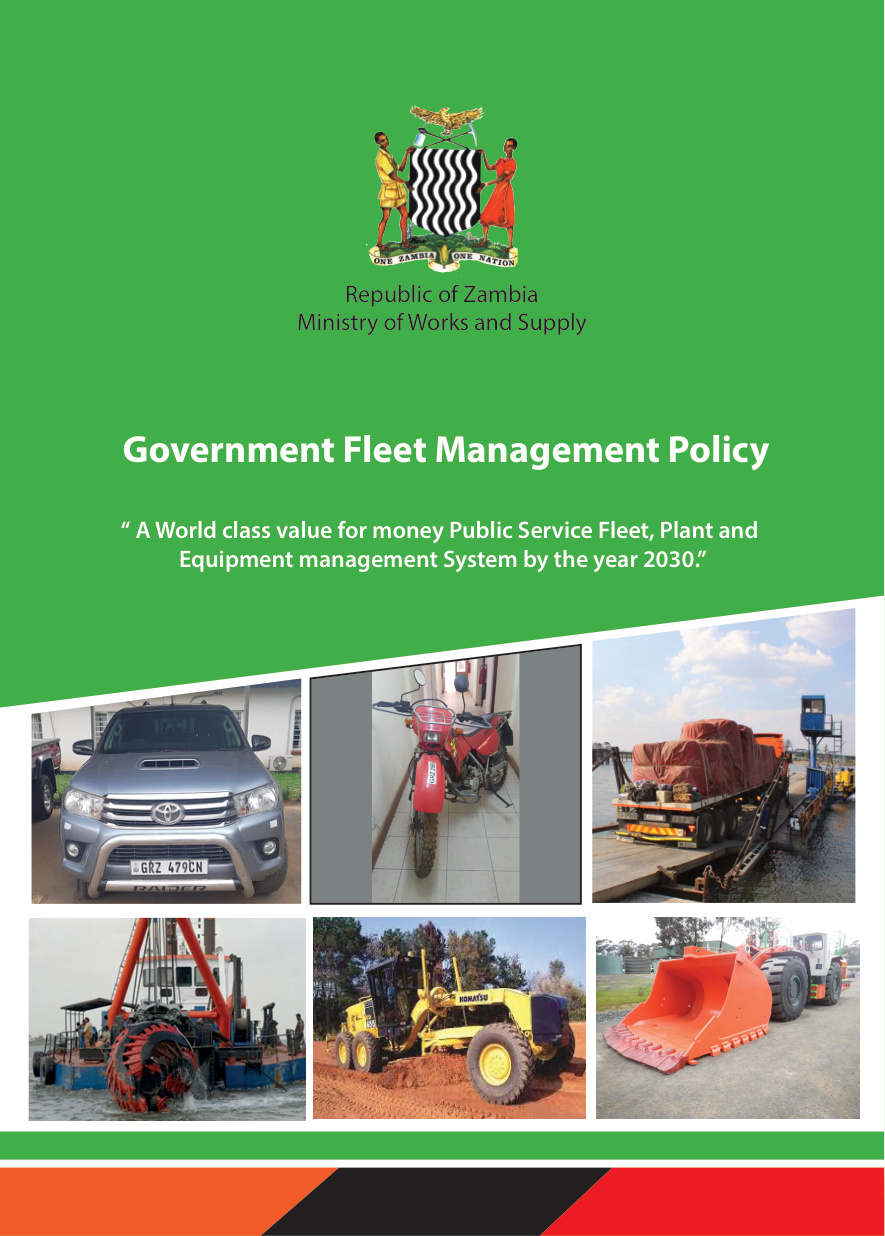
A 2019 policy by Zambia’s Ministry of Works and Supply to standardize and improve the acquisition, use, maintenance, insurance, and disposal of government vehicles, plant, and equipment, aiming for cost-efficiency and effective service delivery.
Peer-reviewed journal article analyzing why democracy retains legitimacy in Zambia since 1991. Identifies five experiential pillars: consequential elections and a depoliticised military, competitive political parties, robust civil society, independent media, and a liberal constitution.
The Ministry of Community Development and Social Services outlines Zambia’s child safeguarding principles, standards, and procedures to prevent abuse and ensure children’s safety across all programs and operations. Approved in September 2023, the policy sets requirements for risk assessment, safe recruitment, reporting, and monitoring.
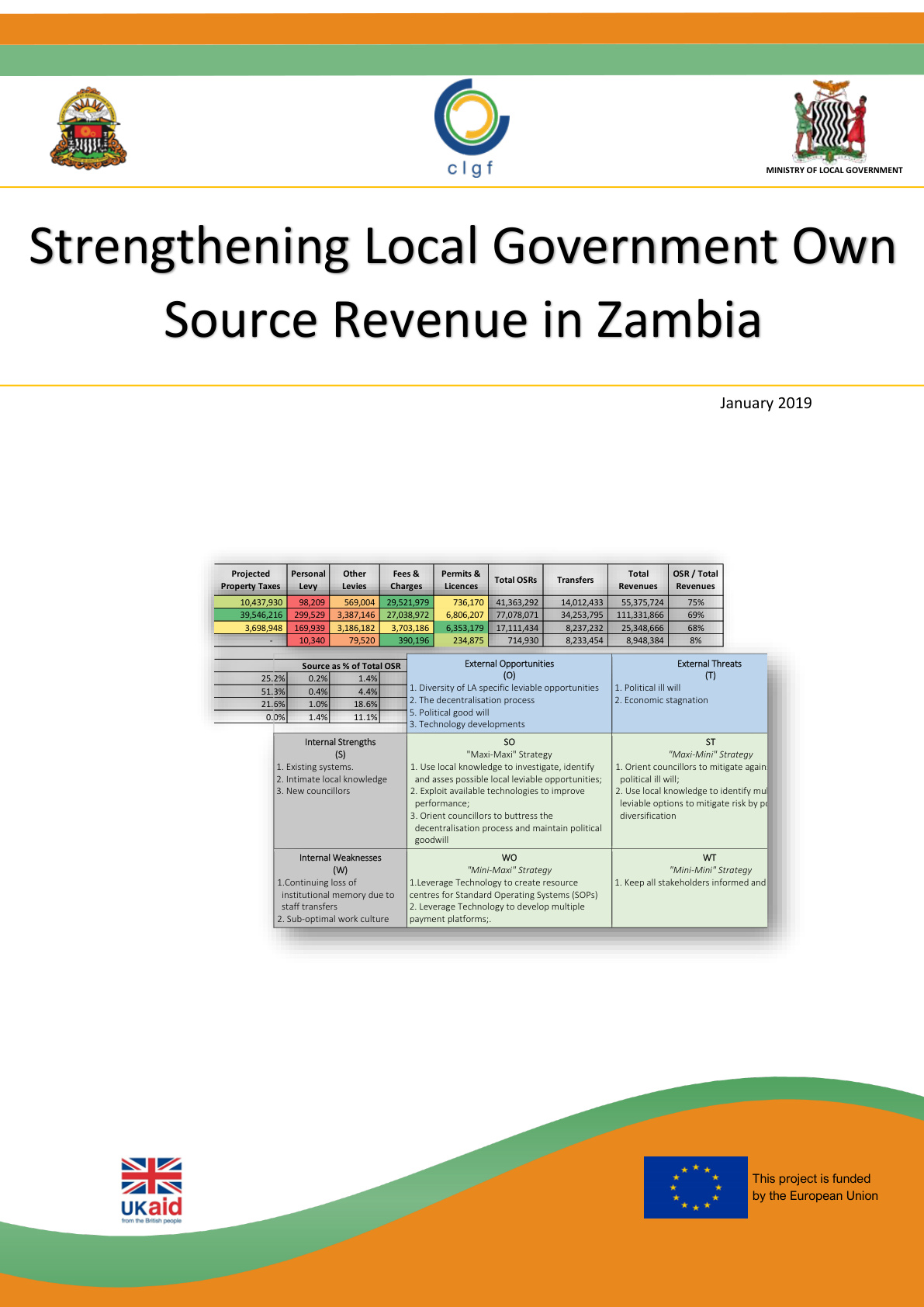
Research report examining how Zambian local authorities can increase own-source revenues, focusing on property taxes, levies, and fees/charges. Uses data from four councils and provides SWOT analyses and practical recommendations.
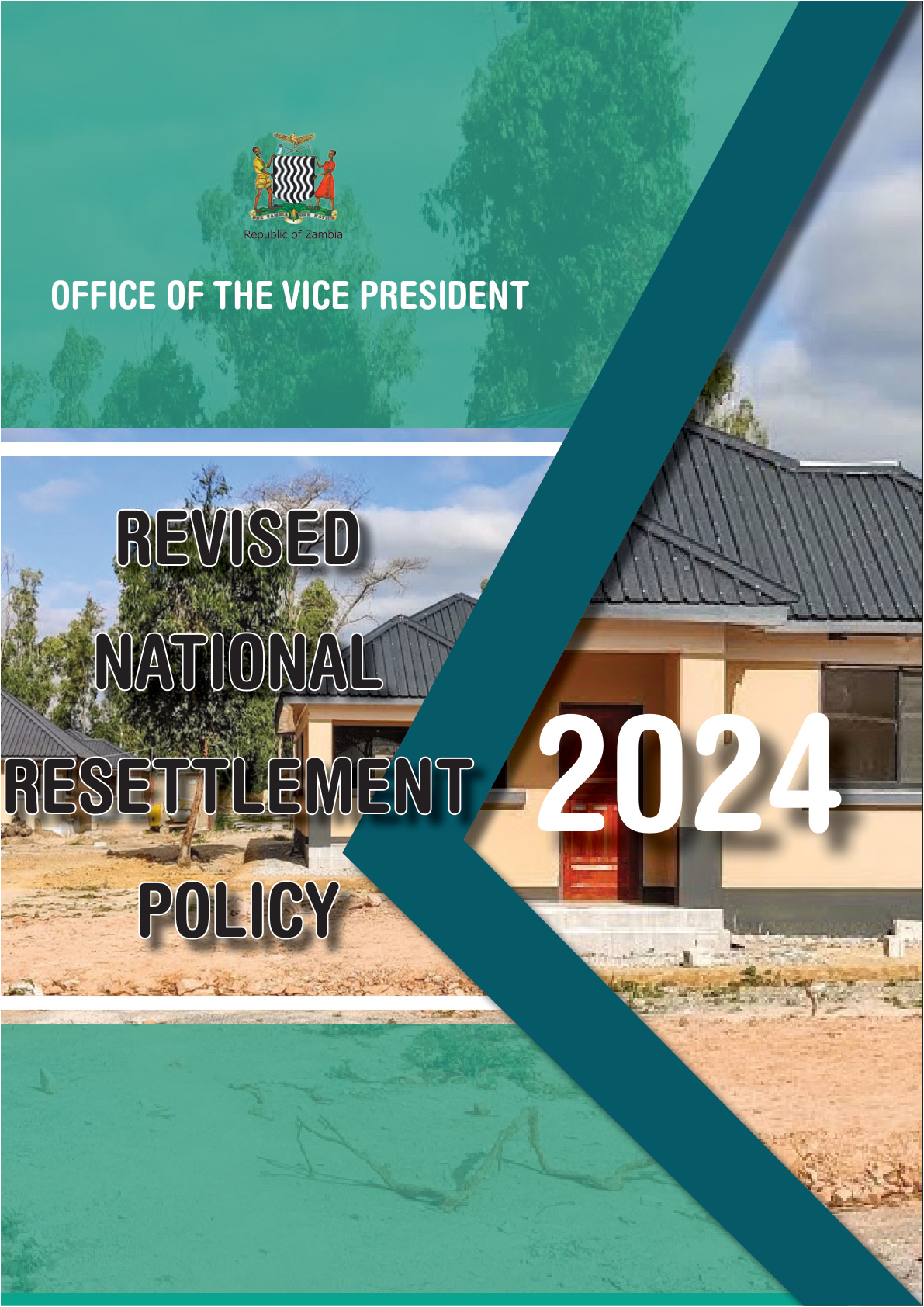
Zambia’s 2024 Revised National Resettlement Policy sets direction for voluntary and involuntary resettlement, improving productivity in resettlement schemes, service provision, coordination, and fair compensation in line with the 8NDP and the Kampala Convention.
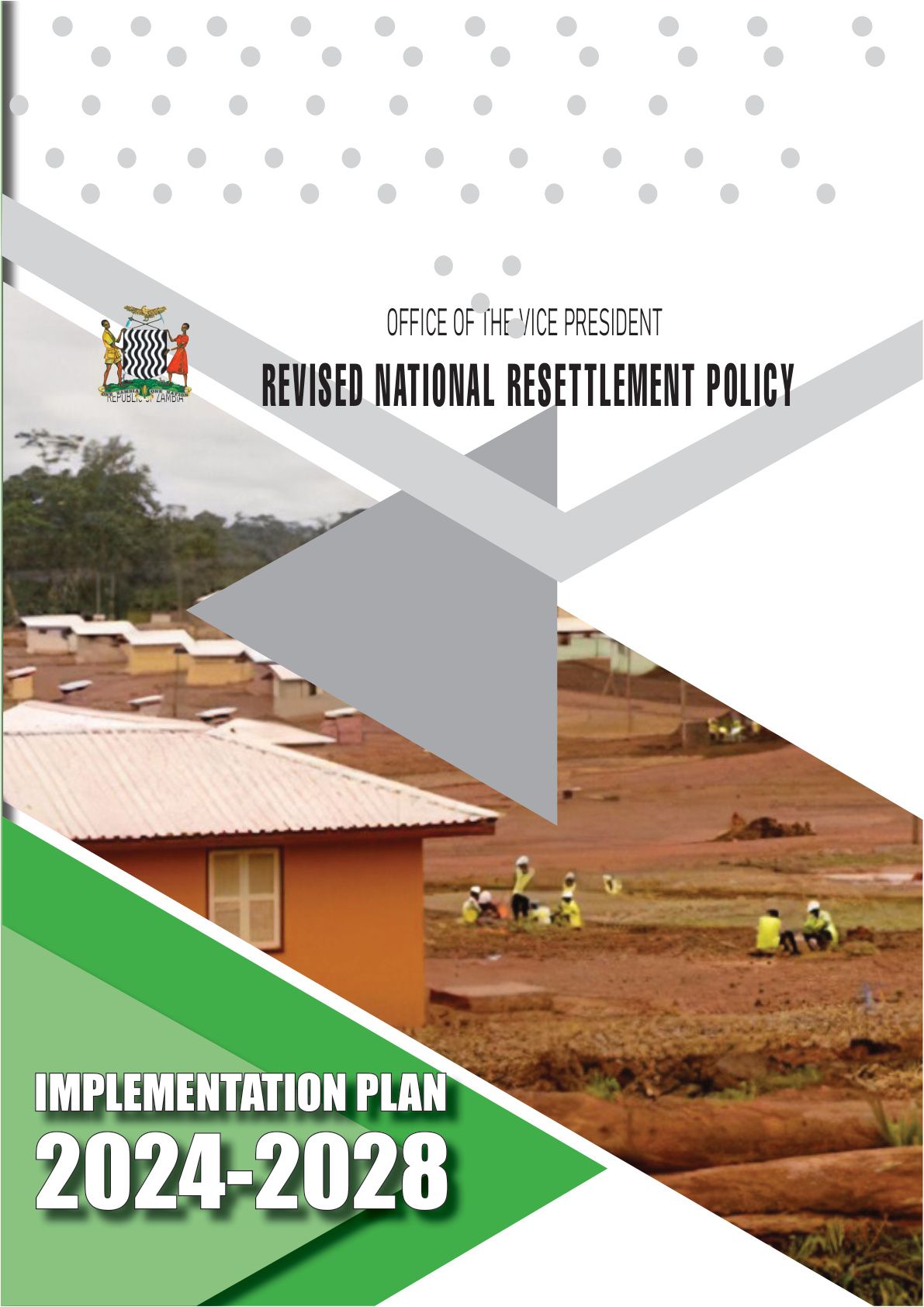
Government of Zambia’s Office of the Vice President outlines the 2024–2028 implementation plan for the Revised National Resettlement Policy, detailing objectives, activities, targets, and estimated resources for resettlement schemes.
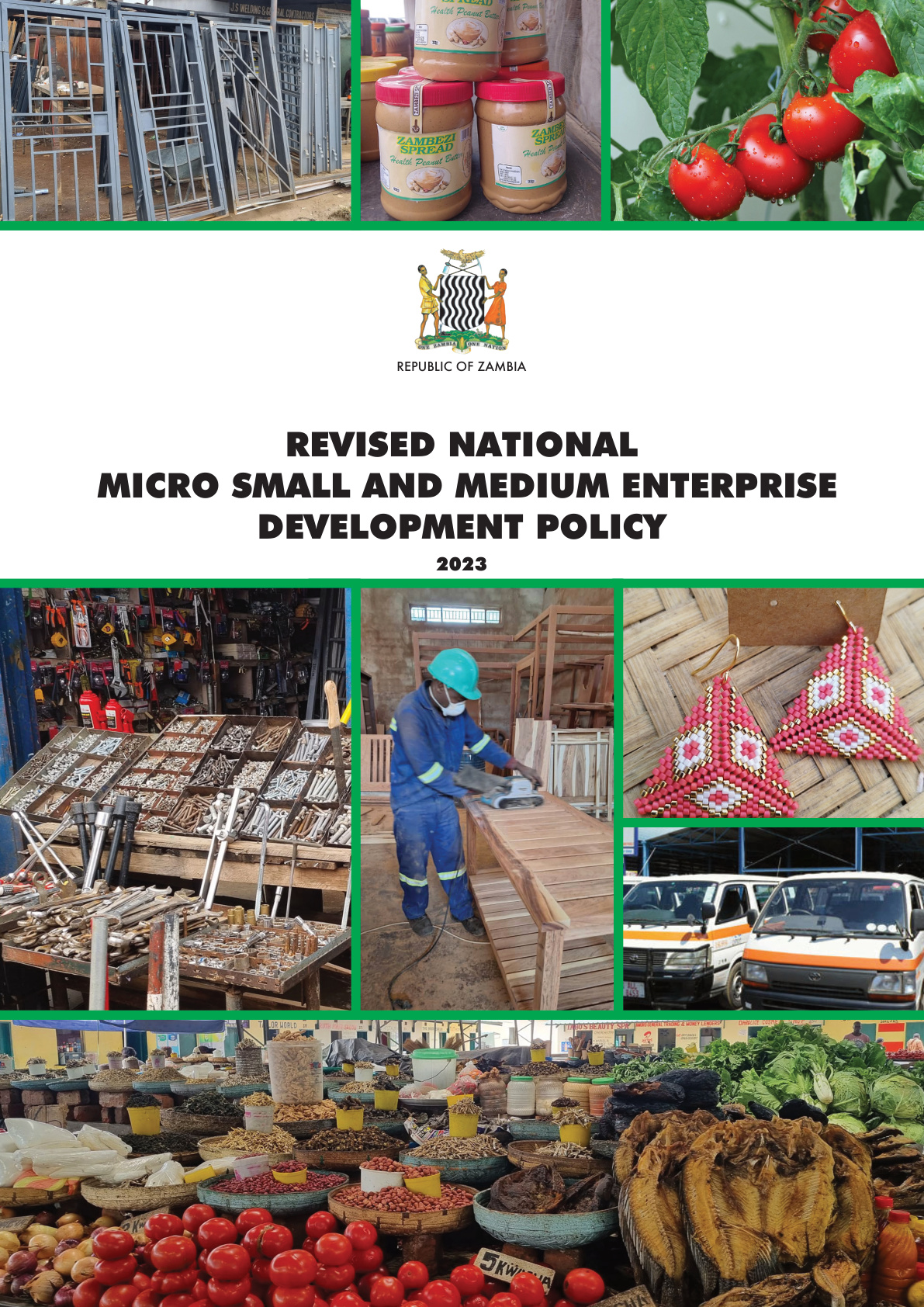
Zambia’s 2023 MSME Development Policy outlines definitions, objectives, and measures to grow the MSME sector. It targets improved access to finance and markets, innovation and technology adoption, and stronger coordination and infrastructure.
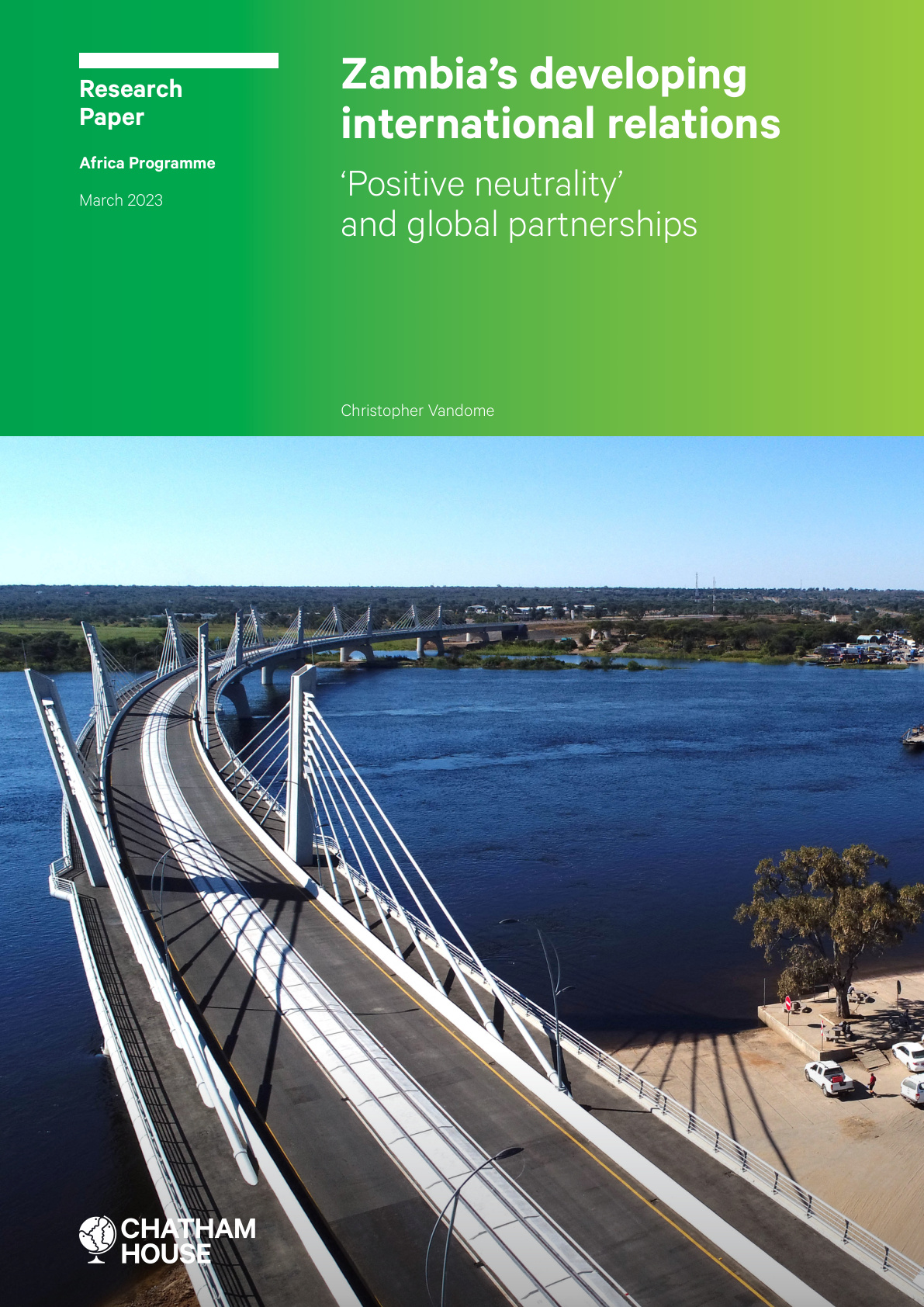
Chatham House assesses Zambia’s post-2021 foreign policy, debt restructuring under the G20 Common Framework, and the country’s strategy of ‘positive neutrality’ in balancing relations with Western partners, China and regional actors.
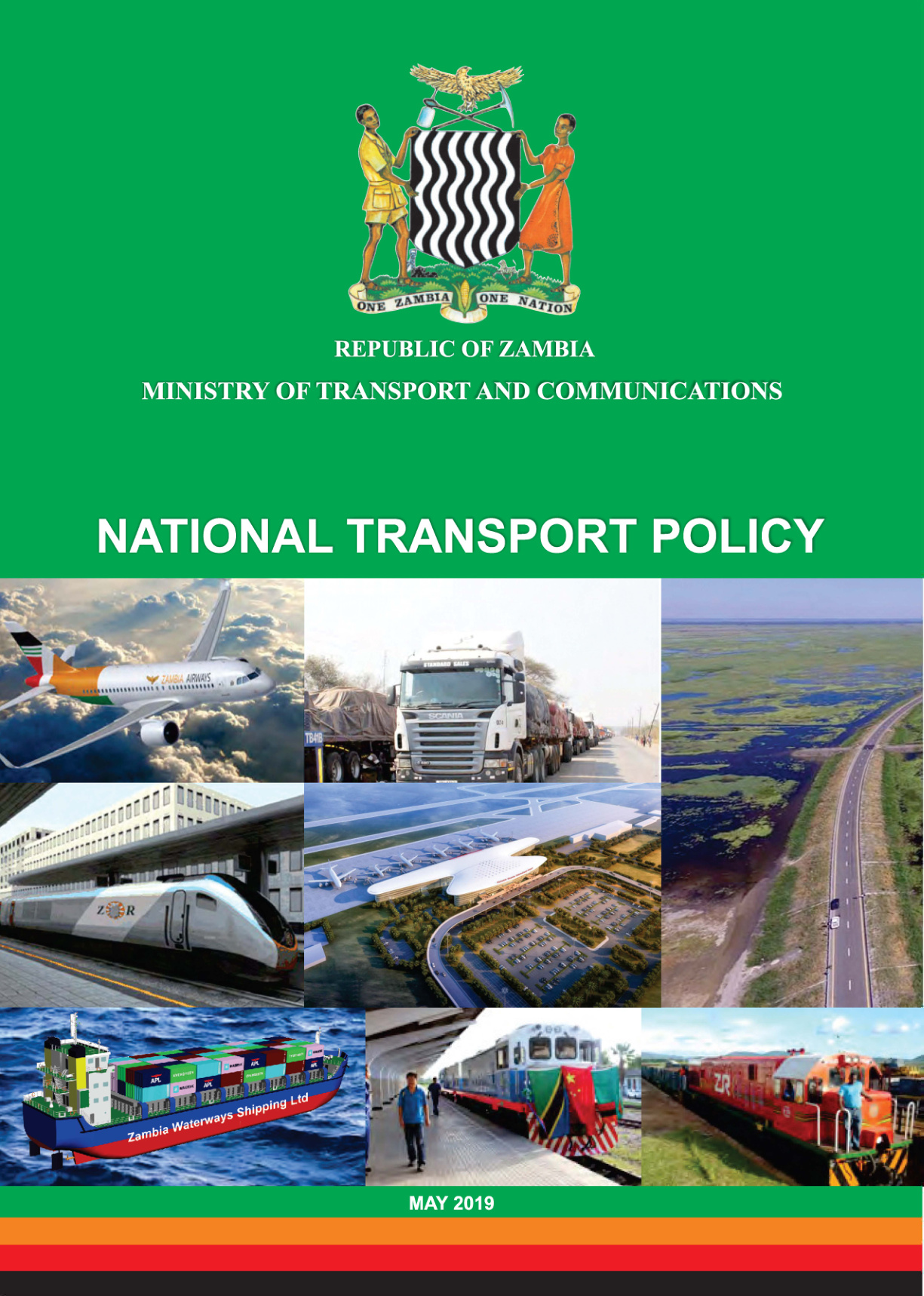
Zambia’s 2019 National Transport Policy sets a framework to deliver safe, efficient and integrated transport systems across road, rail, air and waterways, aiming to position the country as a regional transport hub by 2028.
Zambia’s 2015 National Youth Policy sets the vision, goals and strategies to empower youth aged 15–35 through employment, education and skills, health, and participation in culture and sport. It outlines cross-cutting priorities and an implementation framework with monitoring and evaluation provisions.
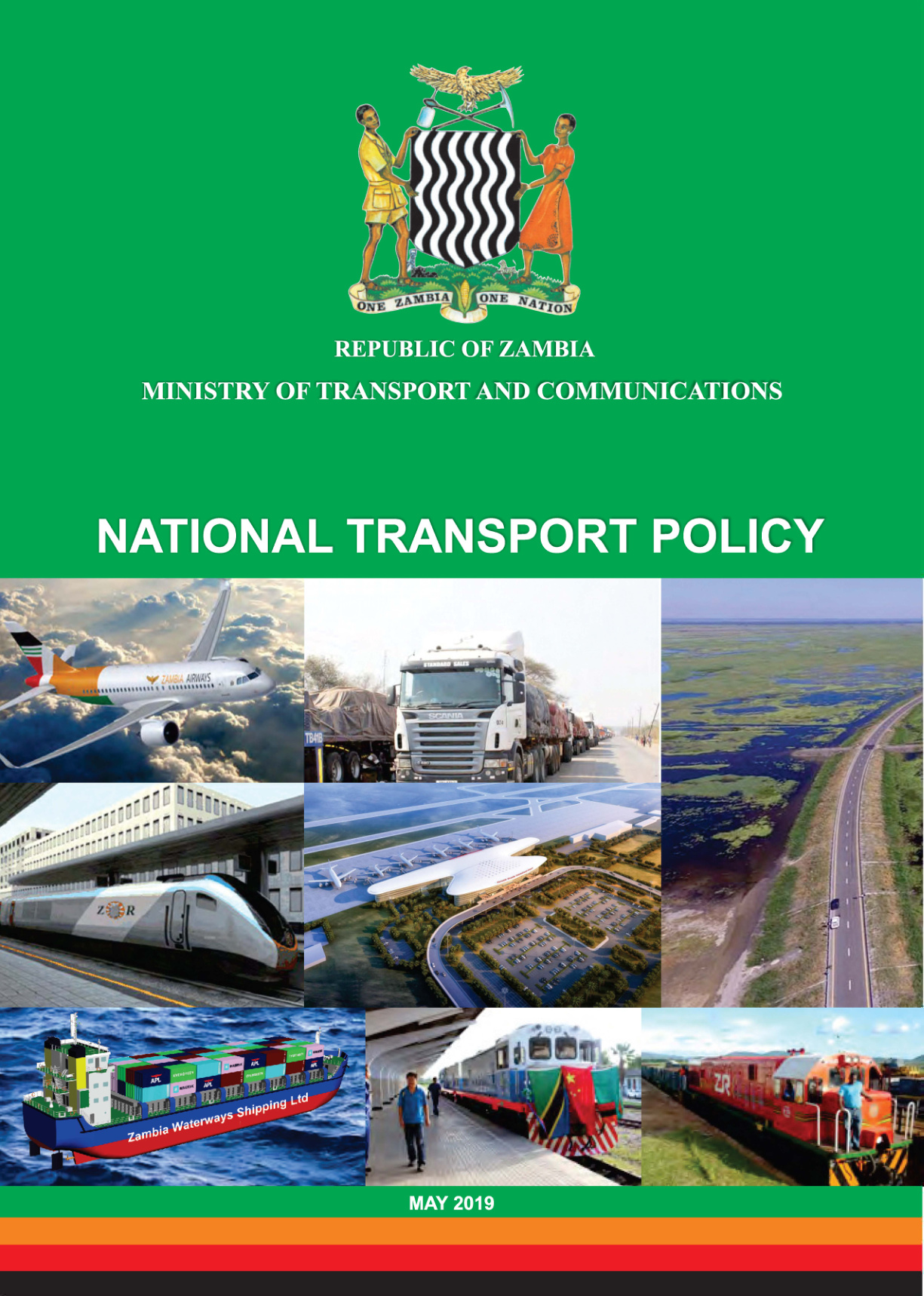
Zambia’s National Transport Policy (May 2019) sets a vision to deliver sustainable, efficient, safe and integrated transport systems and position the country as a regional transport hub by 2028. It details objectives and measures across road, rail, air, waterways, pipelines, corridors and intermodal logistics.
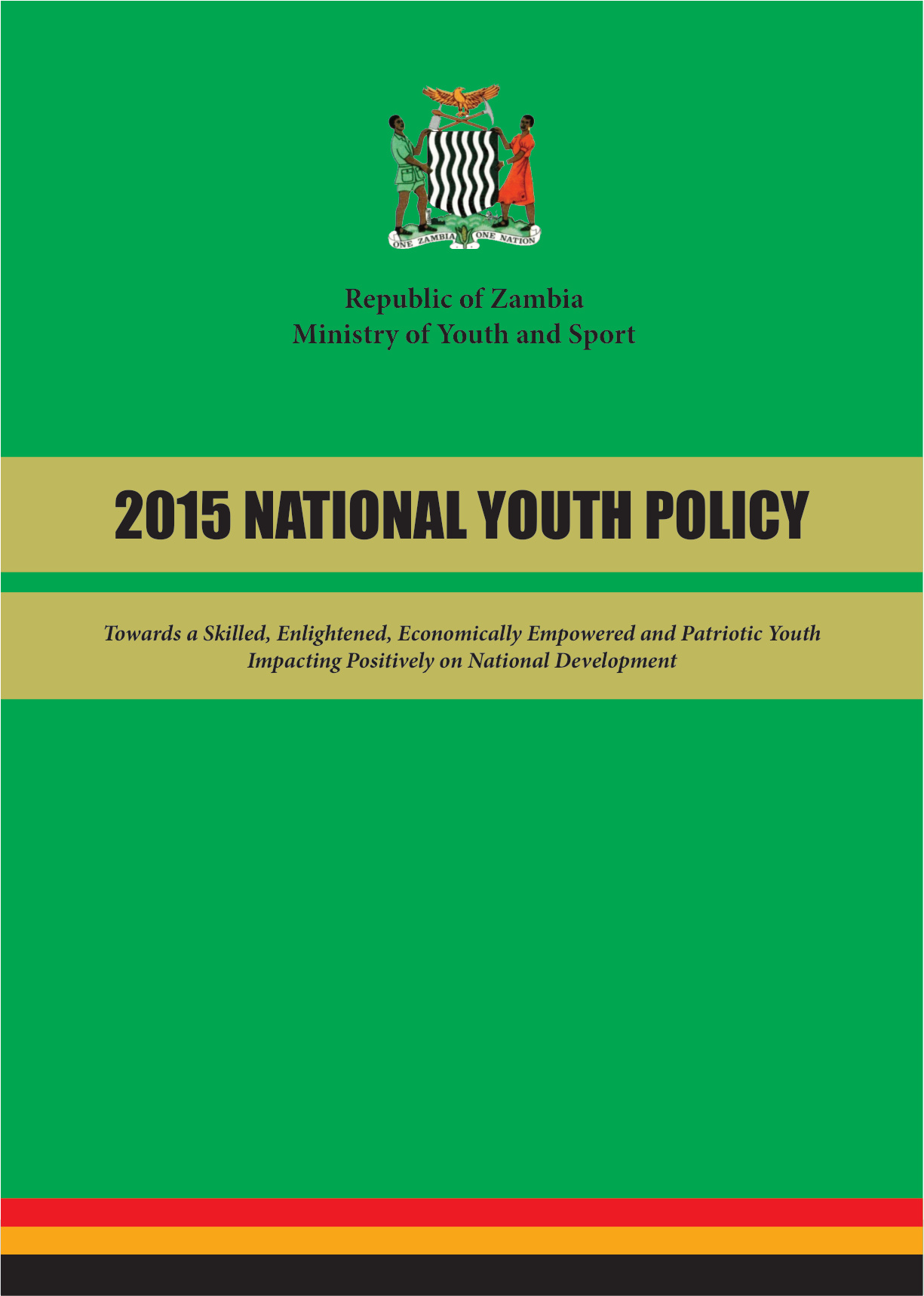
Zambia’s 2015 National Youth Policy sets the vision, goals, principles, and strategies to empower youth aged 15–35. It outlines priority areas including employment, education and skills, health, and creative industries, with cross-cutting actions on gender, disability, environment, and governance.